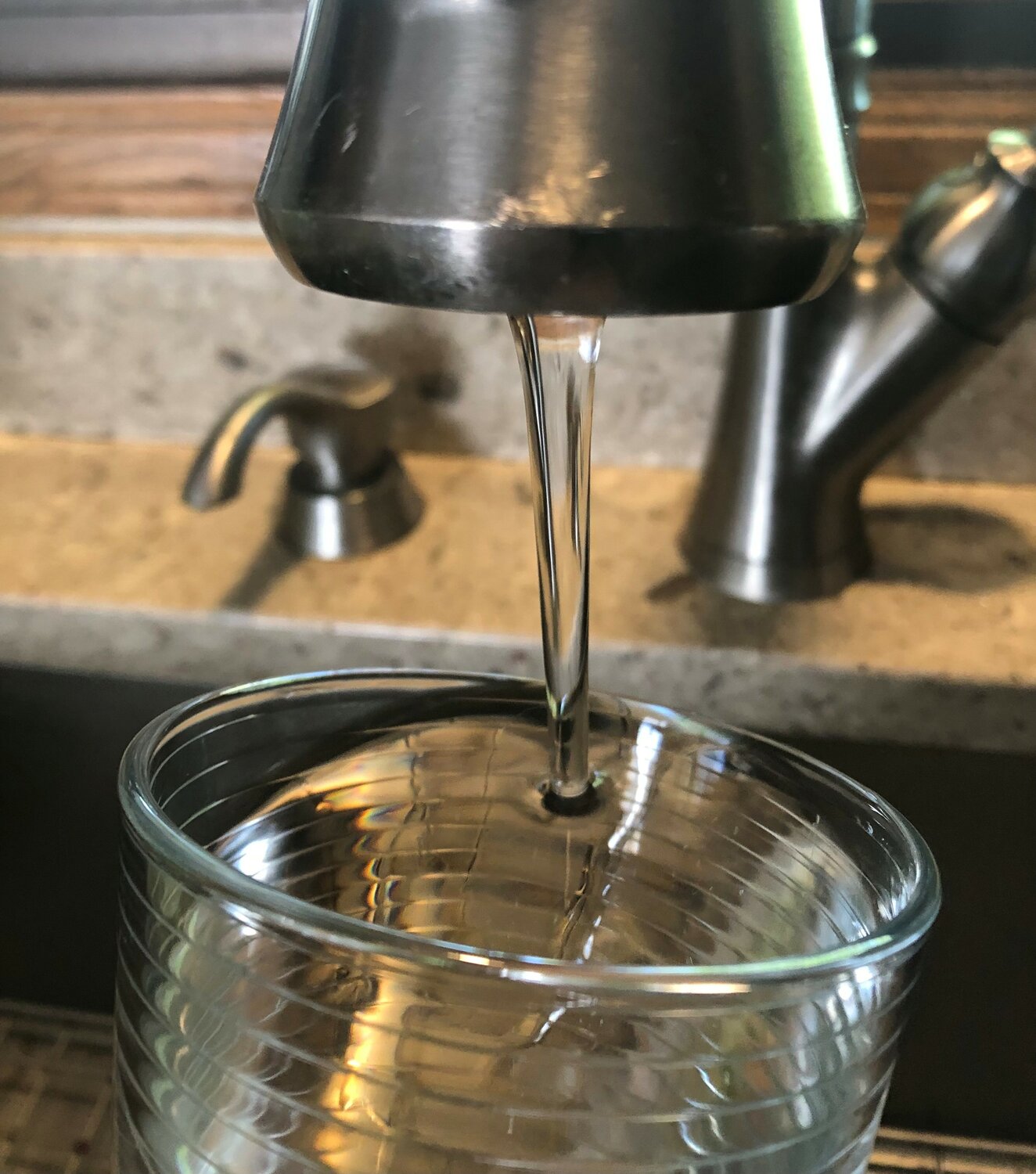


A new initiative is offering free well water testing to residents in southern Minnesota to detect arsenic contamination and improve drinking water safety.
Arsenic is an element found in rocks and soil across Minnesota. When dissolved into groundwater, it can impact the safety of drinking water, increasing the risk of cancer and other health concerns such as cardiovascular and respiratory disease, reduced intelligence in children, and skin problems.
“Drinking safe water, to me, means something very simple but very important: Water that people can use every day without unknowingly harming their health,” said Dr. Dominika Jegen, a family physician at Mayo Clinic who is partnering with the nonprofit Freshwater on the Rural Health and Drinking Water project.
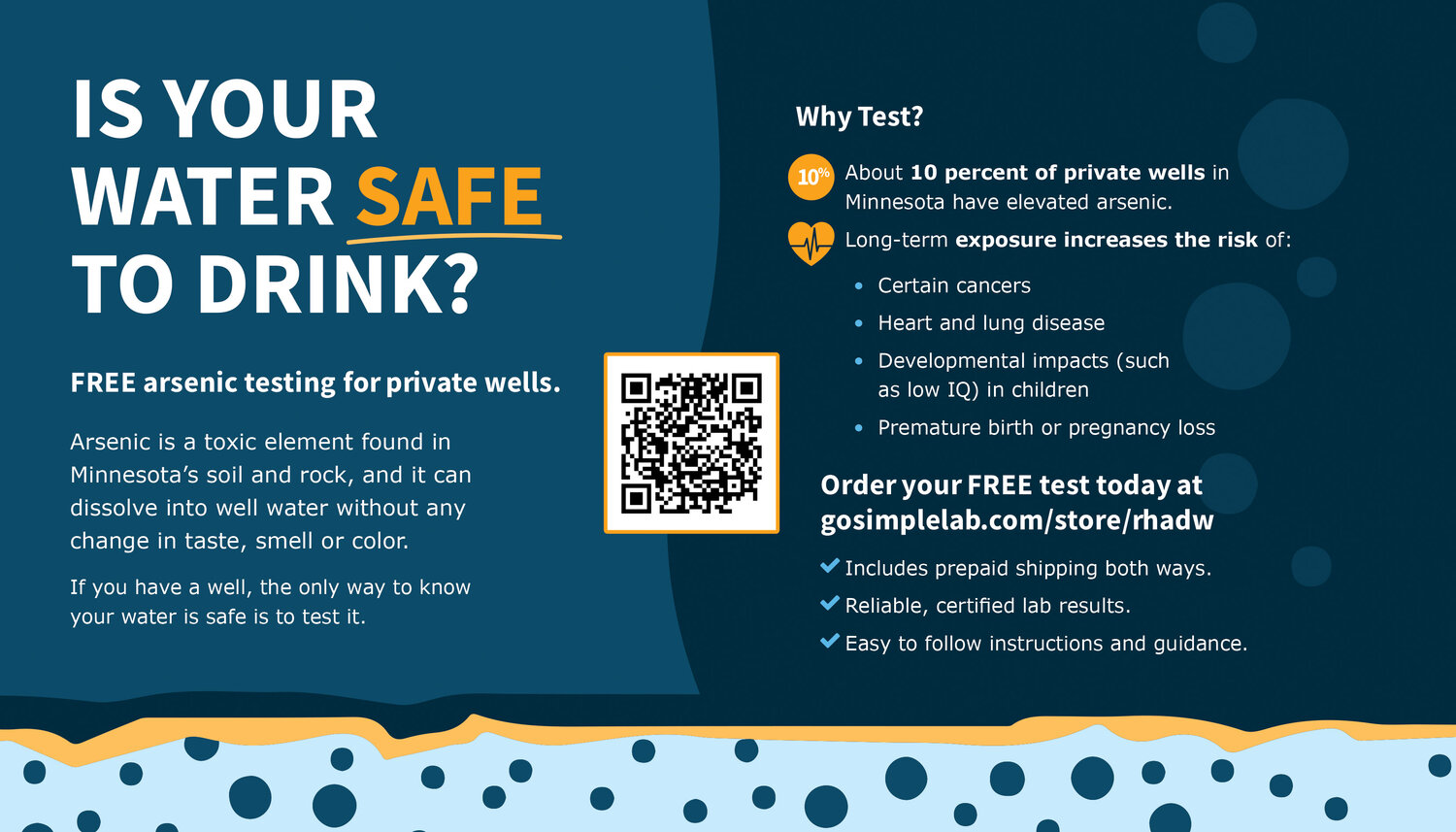
Funded by the Environment and Natural Resources Trust Fund, the project offers free arsenic testing to residents of Rice, Steele, Freeborn, Waseca, Faribault, Blue Earth, Watonwan and Martin counties by visiting this site: https://gosimplelab.com/store/rhadw. Freshwater recently mailed postcards to more than 4,000 residents in this area with information on how to order free well water testing kits. Participants will receive confidential test results with follow‑up guidance on interpreting the results and what next steps to take.
Why well testing is important in rural areas
As a family physician, Dr. Jegen thinks about drinking water the same way she thinks about preventive care. “I think about both immediate safety – like preventing infections – and long-term health,” she said. “Many water contaminants don’t cause symptoms right away but can contribute to serious illnesses years later.”
She emphasized that certain groups are especially at risk. “For children, pregnant patients, and older adults, that safety becomes even more critical because they are more vulnerable to the effects of contaminants.”
About 10 percent of private wells in Minnesota have elevated arsenic, although certain counties have higher percentages including Faribault (28 percent), Blue Earth (27 percent) and Waseca (20 percent). Arsenic testing became mandatory for new wells in 2008, meaning wells built before then are at a higher risk. It is tasteless and odorless, so testing is the only way to know if well water is safe to drink.
Dr. Jegen’s research has shown that many well owners are not overly concerned about their drinking water, and many don’t test regularly, even when they have children at home. The solution, she stressed, starts with information, not fear. “It’s not about causing alarm – it’s about giving people information so they can make simple, effective changes if needed.”